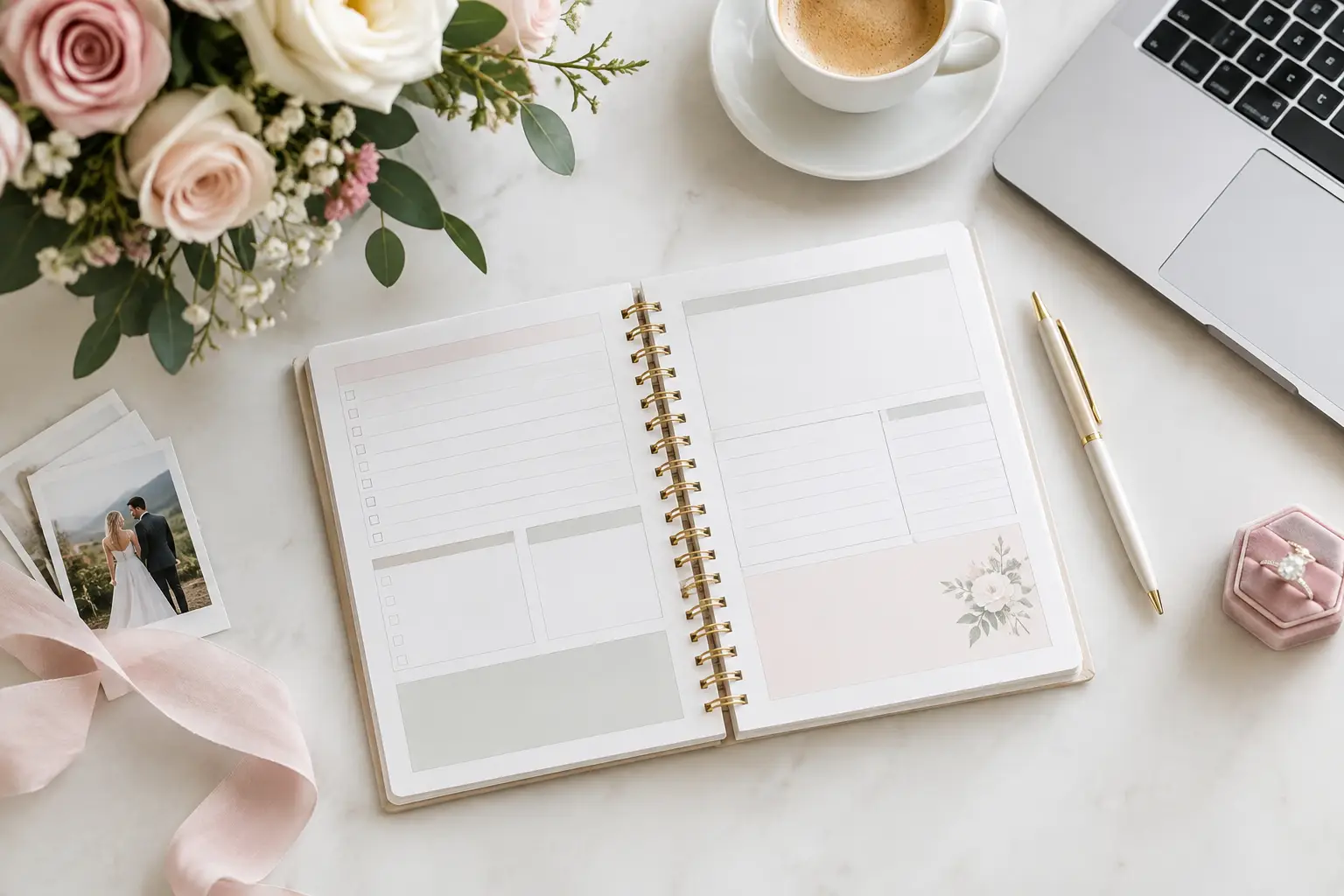
Printable Wedding Planner PDF for Calm, Clear Planning
The venue quote looks beautiful until you notice the service charge. Your guest list grows by 18 people after one family conversation. A photographer’s package sounds perfect, but the album, second shooter, and travel fee are extra. This is exactly where a printable wedding planner PDF earns its place: not as another pretty file to download, but as the system that helps you make clear decisions before small details become expensive surprises.
A meaningful wedding does not require perfect planning or an unlimited budget. It does require one reliable place to see what is due, what has been decided, what still needs attention, and what your celebration can realistically cost. Whether you print every page, fill it out digitally, or use a mix of both, the right planner helps turn the path from “Yes!” to “I Do!” into manageable next steps.
What a Printable Wedding Planner PDF Should Do
A useful planner is more than a calendar with floral borders. It should connect your wedding vision to the practical choices that make that vision possible. You need space for inspiration, of course, but you also need a clear record of deposits, vendor promises, RSVP changes, and deadlines that cannot be moved.
The best printable wedding planner PDFs bring the entire process together. That means you should be able to begin with your priorities and estimated budget, then move into venue and vendor research, track signed contracts and payment balances, organize guest details, and prepare for the final weeks without relying on memory.
This matters because wedding spending rarely happens in one dramatic purchase. It happens in layers. A $300 upgrade here, a delivery charge there, and an extra hour of coverage can quietly pull your total far beyond the number you first agreed on. A planning system gives every decision a home before it reaches your credit card.
Start With the Wedding You Actually Want
Before comparing venues or saving centerpiece ideas, make a few foundational decisions together. What do you want guests to remember? Is your priority a full dance floor, an intimate dinner, a meaningful ceremony, amazing photography, or a relaxed weekend with family? There is no wrong answer, but there are trade-offs.
For example, a larger guest count may matter deeply to you, but it affects far more than food. It can change the venue size, rental count, bar bill, invitation postage, centerpiece quantity, and transportation needs. A Saturday evening wedding may feel like the dream choice, but a Friday, Sunday, or off-season date can create room in the budget for the experiences you value most.
Write down your top three priorities and your three areas where you are willing to be flexible. This simple exercise gives you a filter for every quote and upgrade that follows. If a detail does not support one of your priorities, you can decline it without feeling like you are sacrificing your dream wedding.
Build a Budget That Includes Real Costs
A budget worksheet should not only list broad categories like “flowers” and “music.” It needs columns for estimated cost, actual quoted cost, deposit paid, remaining balance, due date, and notes. That is how you avoid assuming something is paid when only the deposit has been covered.
Start with the total amount you can comfortably spend. Include savings already set aside, realistic monthly contributions, and any confirmed family support. Do not build a budget around hoped-for overtime, future credit card availability, or gifts you have not received.
Then assign working amounts to major categories. The exact percentages depend on your location, guest count, and priorities, but your total must leave room for the easily missed costs: sales tax, gratuities, service charges, alterations, delivery, setup, overtime, marriage license fees, and day-of emergency purchases.
A personal savings action plan is especially helpful if you are planning over several months. Rather than telling yourselves to “save more,” decide what that means. Maybe it is transferring a set amount after each paycheck, pausing a few recurring expenses, selling unused items, or directing tax refunds and bonuses to the wedding fund. Specific actions feel far less overwhelming than a vague financial goal.
Compare Vendors Beyond the Starting Price
A vendor quote is only useful when you can compare it line by line. One caterer may appear less expensive until you add staffing, rentals, cake cutting, and a required service fee. One DJ may include ceremony audio and lighting, while another charges separately for each. The lower base price is not always the better value.
Use a comparison worksheet for each major vendor category. Record the package price, what is included, what is excluded, payment schedule, cancellation terms, travel fees, backup plans, and the questions you still need answered. Keep notes from calls and consultations in the same place so you do not have to reconstruct a conversation weeks later.
For the biggest decisions, ask for the complete out-the-door estimate before signing. You are not being difficult by asking about taxes, gratuity, minimums, setup fees, or overtime rates. You are protecting your budget and giving yourselves the information needed to choose confidently.
Pay close attention to contract language. A beautiful proposal is not the same as a signed agreement. Once you book, record the contract date, deposit amount, final payment date, and any decisions you still need to make, such as meal selections, song choices, or final headcount.
Use a Timeline That Prevents Last-Minute Stress
A 12-month timeline is helpful because it separates urgent tasks from tasks that only feel urgent. Early planning should focus on your budget, guest-count range, date, venue, and high-demand vendors. Later months are better for details like stationery, décor, transportation, final fittings, and your day-of schedule.
If your engagement is shorter than 12 months, do not panic. A timeline is a guide, not a test. Prioritize the decisions that have limited availability or affect other choices. Venue, guest count, ceremony location, catering, photography, and entertainment usually come first because they shape much of the remaining plan.
In the final month, your planner becomes a calm command center. Confirm final balances and due dates. Finalize your RSVP count. Share the timeline with vendors and trusted wedding-party members. Pack ceremony items, tips, attire accessories, and emergency supplies before the week of the wedding.
The goal is not to fill every minute of your wedding day. It is to make sure the people helping you know where to be, what is happening next, and who can answer questions so you are free to enjoy the magical moments you worked so hard to create.
Keep Guest and RSVP Details in One Place
Guest management can become one of the most emotional parts of planning. It also has a direct financial impact. Every “maybe” affects your working headcount, and every late response can delay catering, seating, rentals, and place cards.
A guest worksheet should include names, household grouping, mailing address, invitation status, RSVP response, meal selection, dietary needs, plus-one details, gift tracking, and thank-you note status. You may not need every field for every wedding, but having them available prevents information from being scattered across texts, envelopes, and spreadsheets.
Set an RSVP deadline that gives you breathing room before your caterer’s final count is due. When you follow up with guests, keep the message warm and direct. Most people simply need a reminder, not a complicated explanation.
Choose a Planner You Will Actually Use
The most beautiful printable wedding planner PDF will not help if it is so complicated that you avoid opening it. Look for a format that feels clear at a glance, gives you room to write, and covers both emotional planning and financial follow-through.
Dream Wedding Toolkit is designed for this practical middle ground, with 27 printable and digitally fillable pages that cover a 12-month timeline, checklists, budget and payment tracking, vendor comparisons, guest organization, and a personal savings action plan. At a one-time cost of $23, it gives self-directed couples a structured way to plan without adding the expense of full-service planning.
You do not have to use every page at once. Start with the budget, timeline, and guest-count estimate. Add vendor comparison sheets when you begin researching. Return to payment tracking each time you book or pay for something. A planner works best when it becomes part of your regular planning routine, not a file you only open during a stressful moment.
Your wedding deserves more than rushed decisions and surprise balances. Give yourselves the gift of knowing what comes next, what matters most, and where every dollar is going. Then when the day arrives, you can look around the room and be fully present for the celebration you created together.
Comments